Endodontic Microsurgery in Torrance
When traditional root canal treatment or retreatment isn’t enough to save a tooth, endodontic microsurgery gives us another way in. Dr. Jason Phan performs minimally invasive endodontic surgical procedures — including apicoectomy, root-end resection, and intentional replantation — using 25x surgical microscope magnification and ultrasonic instruments. The result is smaller incisions, less tissue disruption, and faster healing than older surgical techniques.
Success Rate
Minutes
Days Recovery
What is Apicoectomy?
Think of it as a "root canal from the outside" when traditional treatment from the inside isn't possible.
Access root tip through gum
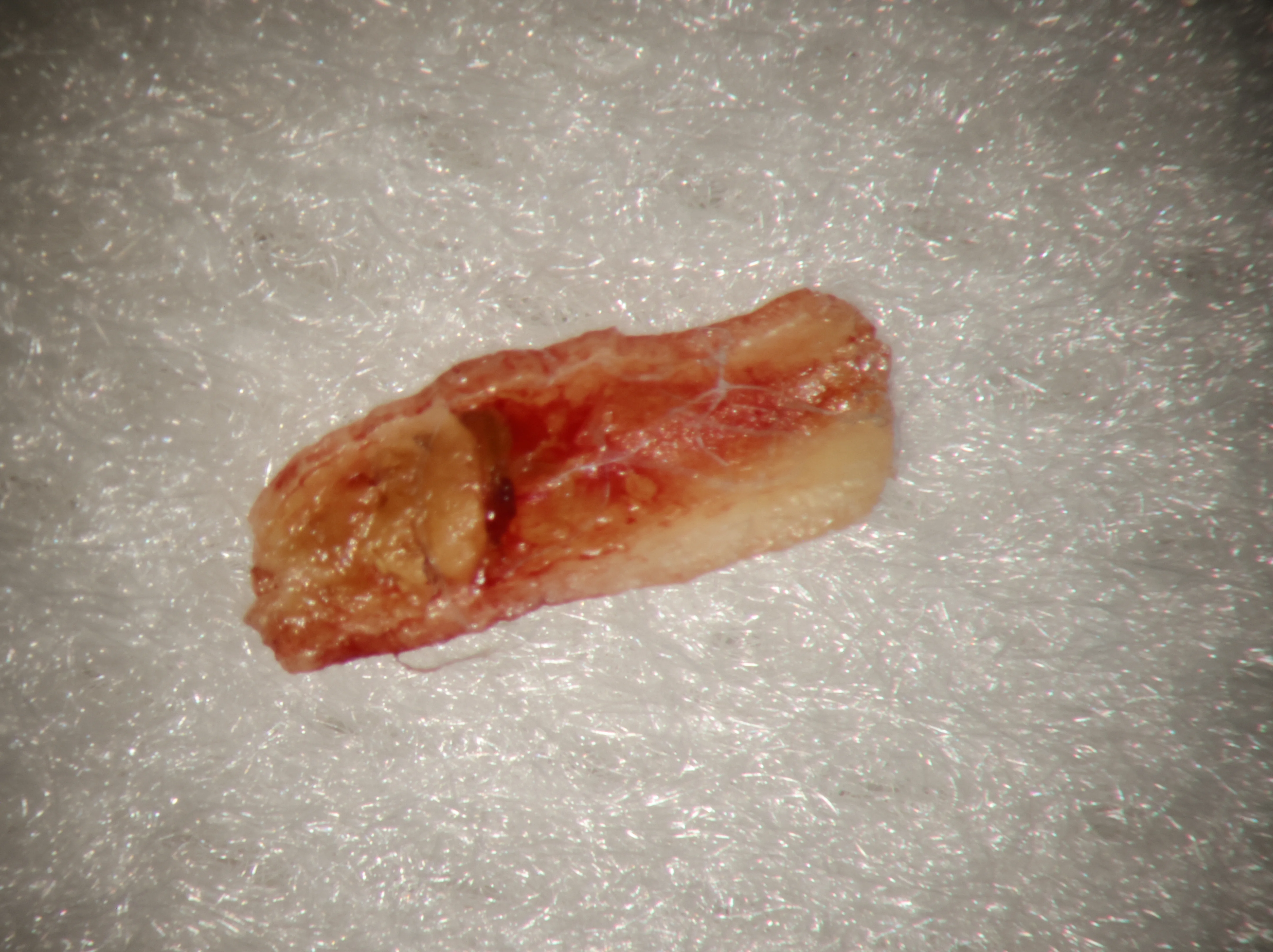
Remove infected root tip
Clean canal end
Seal with biocompatible material
Close tissue with sutures
When Surgery is Needed
Traditional Treatment Limitations
- ✓ Persistent infection after root canal/retreatment
- ✓ Calcified canals inaccessible from crown
- ✓ Blocked canals (posts, instruments, curvature)
- ✓ Complex anatomy unreachable conventionally
Anatomical Challenges
- ✓ Root tips near sinuses or nerves
- ✓ Unusual root curvatures/dilacerations
- ✓ Accessory canals near root tip
- ✓ Root resorption or abnormal development
Our Minimally Invasive Approach
25x Microscopy
Enhanced visualization, smaller incisions, precise tissue removal
3D Planning
CBCT imaging for optimal surgical approach and precision
Ultrasonic Prep
Ideal canal preparation, minimal structure removal
MTA Sealing
Biocompatible cement stimulates bone healing
Recovery Timeline
Peak swelling, mild discomfort. Ice packs, soft foods, prescribed medication.
Significant improvement. Suture removal appointment, return to normal diet.
Return to normal function. Soft tissue healing complete.
Bone regeneration. Follow-up X-ray confirms healing.
Apicoectomy vs. Extraction
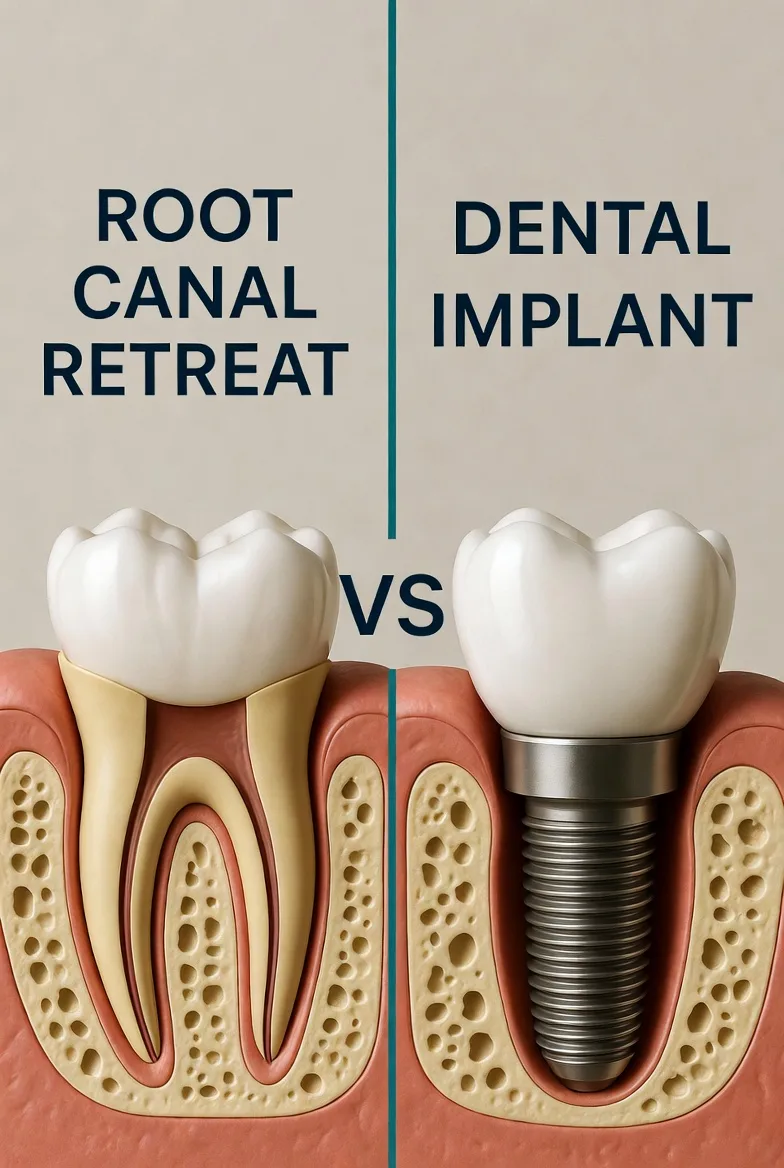
| Factor | Apicoectomy | Extraction + Implant |
|---|---|---|
| Preserves Natural Tooth | Yes | No |
| Cost | $800-$1,500 | $3,500-$6,000 |
| Recovery Time | 2-3 days | 3-6 months (implant integration) |
| Maintains Bone | Yes | Requires bone graft |
| Return to Function | Within days | Several months wait |
Complex Cases We Handle
Calcified Canals
Access canal from root end when mineralization blocks crown access
Cracked Teeth
Microscopy identifies and evaluates cracks during surgery
Separated Instruments
Resolve complications from previous dental work
Types of Endodontic Surgery We Perform
Not all endodontic surgery is the same. Here’s what we offer at our Torrance office:
Apicoectomy (Root-End Resection) — The most common endodontic surgery. We access the root tip through a small opening in the gum, remove the infected portion, and seal the canal end with biocompatible MTA cement. This is what most people think of when they hear “endodontic surgery.”
Intentional Replantation — In rare cases where a tooth can’t be accessed surgically from inside the mouth (usually far-back molars), we carefully extract the tooth, treat it outside the mouth under the microscope, and replant it. It sounds dramatic, but the success rates are good when the tooth is a candidate.
Perforation Repair — Sometimes a previous root canal or post placement creates an opening in the side of the root. We repair these perforations surgically using bioceramic materials that actually promote bone and tissue healing.
Exploratory Surgery — When imaging and clinical tests can’t give us a definitive diagnosis — like a suspected vertical root fracture — sometimes the only way to know for sure is to look directly. Microsurgical exploration lets us see things no X-ray or CBCT can show.
Endodontic Surgery for South Bay Patients
We see patients from across the South Bay for endodontic surgical procedures — Torrance, Redondo Beach, Manhattan Beach, Hermosa Beach, Gardena, Carson, and Palos Verdes. If your dentist has recommended apicoectomy or you have persistent symptoms after root canal treatment, contact us for a surgical consultation.
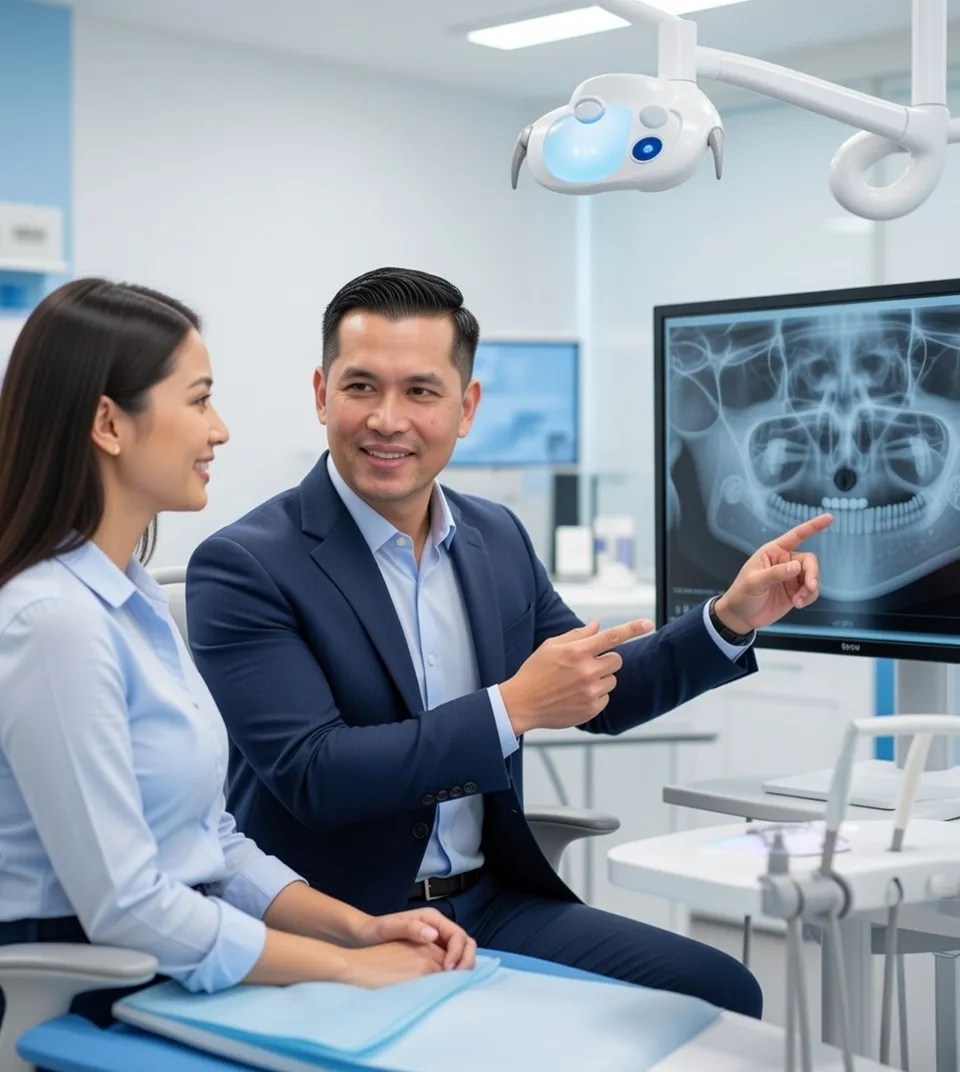
Dr. Phan will evaluate your tooth with 3D CBCT imaging and give you his honest take on whether endodontic surgery is the right option — or whether there’s a better path forward.
Modern microsurgical techniques. Specialist expertise. The best chance to save your tooth.